
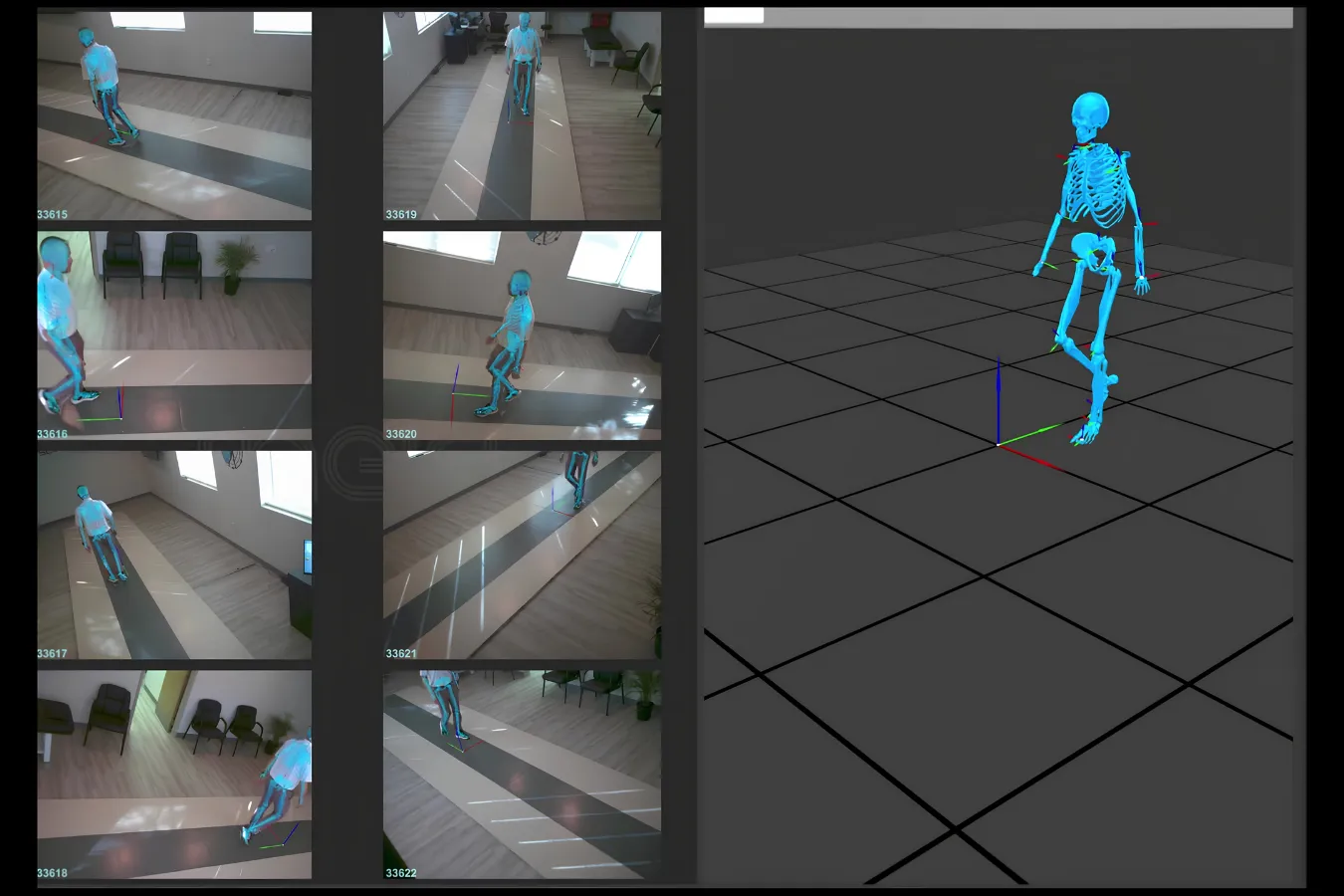
If you have been researching non-surgical options for knee pain, you have likely come across the term gait analysis. From mobile smartphone apps that scan your walk to quick pressure-plate assessments at retail running stores, digital tools that measure how you move are becoming increasingly popular.
Seeing a visual breakdown of your limp or learning that you lean heavily to one side can be eye-opening. But for many patients living with chronic osteoarthritis, persistent joint stiffness, or lingering pain after a knee replacement, a common frustration quickly arises:
“Now that I know my walking mechanics are off, how do I actually fix it?”
This question highlights the fundamental difference between simply identifying a problem and actually treating it. Here is a plain-language guide to understanding gait modification therapy, why it is far more than a one-time analysis, and how a clinician-directed approach provides a complete path to lasting joint relief.
Gait Analysis vs. Gait Modification Therapy: What’s the Difference?
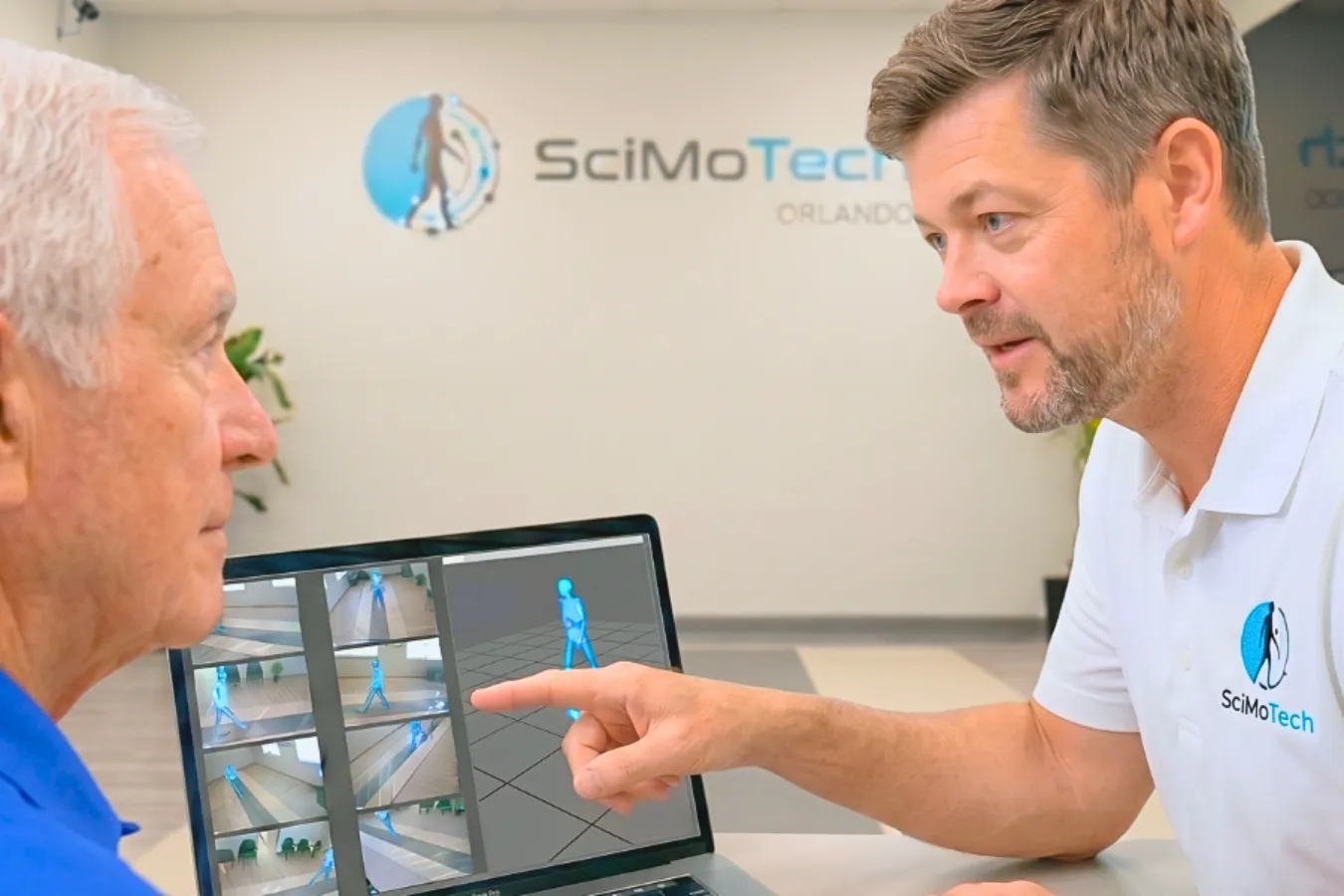
To understand how to protect your joint health, it helps to distinguish between a diagnostic tool and an active treatment program.
Diagnostic-Only Tools (Gait Analysis)
App-based analysis tools (such as Movaia or Ochy), running-store pressure plates, and basic digital scanners serve one primary purpose: observation. They capture data, highlight asymmetry, and flag that your stride is imbalanced.
While diagnostic data is useful, an app or a retail scan stops at the diagnosis. They leave you to figure out how to correct complex biomechanical forces on your own—often leading to generic exercise lists or passive shoe inserts that fail to change your underlying movement habits.
Active Treatment Programs (Gait Modification Therapy)
Gait modification therapy takes that diagnostic data and uses it as the starting point for active mechanical correction. Rather than just observing your limp, a structured therapy program actively intervenes to alter how impact forces travel through your joints.
It bridges the gap between knowing your walk is driving your knee pain and retraining your central nervous system to walk without joint friction.
The Core Pillars of SciMoTech’s Treatment Program
At SciMoTech, we do not offer one-off diagnostic reports or generic fitness advice. We deliver a comprehensive, clinician-directed therapy program designed to structurally offload stress from damaged or post-surgical knees.
Here is how our program differs from standard diagnostic tools:
- Clinician-Directed Guidance: Your care is overseen by clinical experts who evaluate your full medical history, joint angles, and force distribution patterns—ensuring your treatment is safe, targeted, and medically sound.
- Patent-Pending GaitMod Footwear: Diagnosis alone cannot change how your foot strikes the ground during daily life. Our proprietary GaitMod footwear acts as an active therapeutic tool, subtly adjusting pivot points to shift pressure away from worn cartilage or sensitive joint structures.
- At-Home Neurological Retraining: Lasting relief requires re-education of your nervous system. Worn during 15 to 30 minutes of normal daily walking at home, SciMoTech progressively teaches your brain to adopt a healthier, balanced stride permanently.
Why Clinicians and Patients Trust Gait Modification
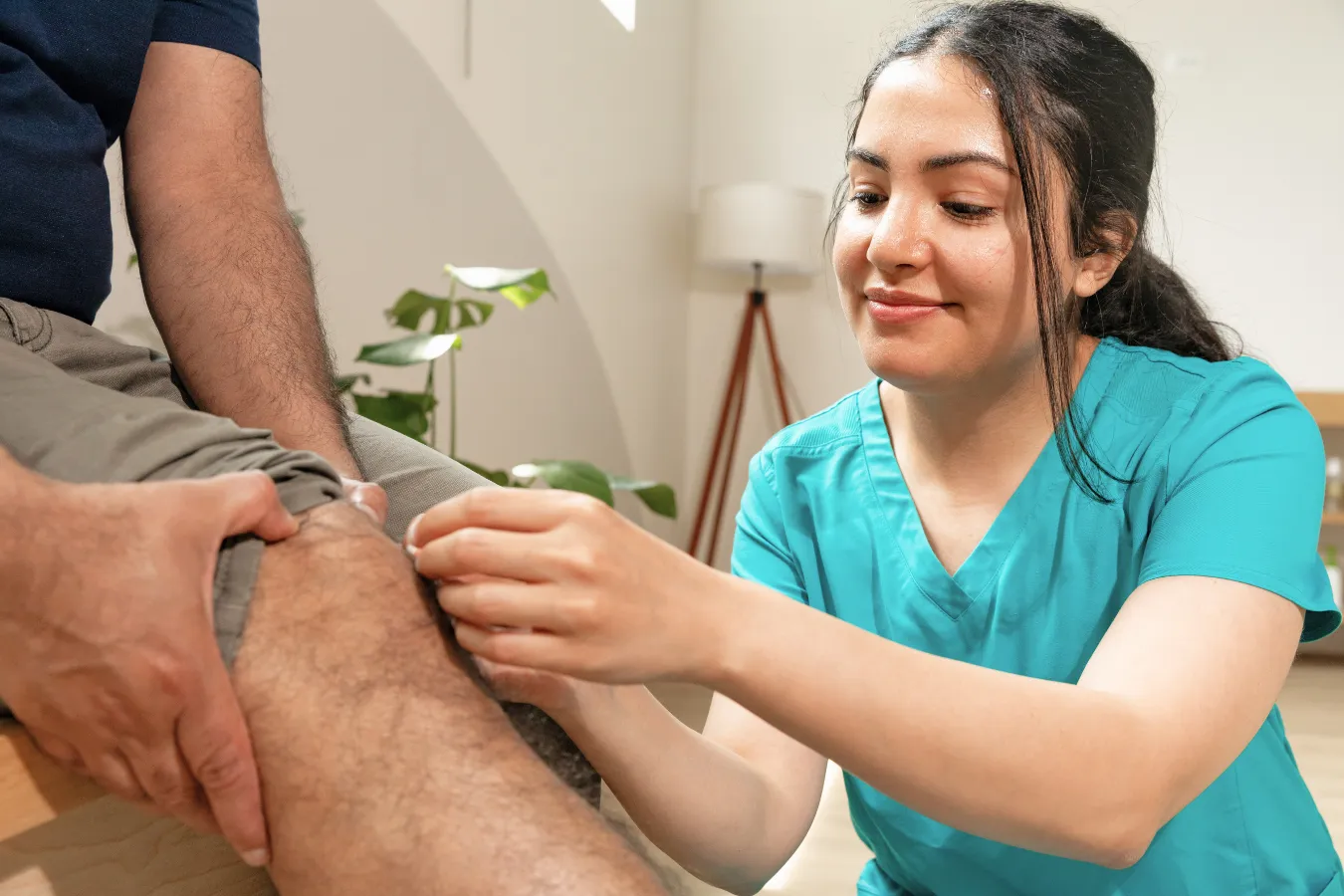
Whether you are an active senior striving to stay on the golf course, a working adult avoiding surgical downtime, or a physician seeking a credible non-surgical option for patients, gait modification therapy addresses the mechanical reality of joint pain.
By altering the angle of impact by just a few millimeters, we can significantly reduce the peak load placed on the inner or outer compartments of the knee. This reduction in mechanical stress gives inflamed tissues an opportunity to calm down, slows cartilage wear, and helps restore natural, pain-free mobility.